
Walk Like a Local: Shared Route Collections That Reveal Real Neighborhoods
Today we explore locals’ shared route collections for authentic neighborhood exploration, a living library of resident-made paths that reveal daily rhythms, secret cut-throughs, welcoming stoops, and cherished stops. Expect practical guidance, heartfelt stories, and ways to map, share, and join respectful walks while meeting people, supporting small businesses, and protecting community character.
Getting Started with Resident-Curated Paths
Start with trustworthy sources and neighborly etiquette. Learn how to verify route details, check accessibility notes, understand timing suggestions, and read annotations like locals do. We’ll highlight discovery tools, signal safety considerations, and share friendly practices that keep residents comfortable while welcoming curious walkers and considerate cyclists.
Look beyond glossy lists. Seek municipal open-data portals, community forums, neighborhood newsletters, and apps where residents annotate places with context about hours, accessibility, and tone. Cross-check recency, look for multiple confirmations, and prefer routes with transparent contributors, clear moderation, and publicly stated guidelines protecting privacy and safety.
Treat each step as a conversation. Read notes about pace, noise sensitivity, and cultural expectations, then adapt. Respect pauses near schools, religious spaces, or stoops. Notice landmarks locals use—mailboxes, murals, scents—and let them guide timing so you arrive when smiles, not shutters, greet you.
Confirm lighting, crossings, and gradient. Pair daylight recommendations with your comfort, and consider mobility aids or stroller access. Check bus frequency for rainy exits and identify buddy options for evenings. Keep your phone charged, share plans, and favor routes emphasizing visibility, frequent eyes, and open businesses.

Story-Driven Walks That Humanize the Map
Maps become memorable when layered with feelings, voices, and tiny histories. Resident notes transform generic lines into lived journeys, revealing routines, solidarities, and tensions. Learn to notice story beats, invite contributions responsibly, and preserve nuance so a turn of the corner carries meaning beyond convenience or spectacle.
A Morning Bread Run That Became a Ritual
It began with a neighbor’s baguette stop at dawn, then greetings with the florist unwrapping peonies, and a detour for sesame pastries. Over time, the walk mapped trust: who opens early, who remembers names, and where waiting ten minutes rewards patience with warmth.
Hidden Corners Marked by Memory
A bend by the brick wall hosts chalk hopscotch in spring, while a winter breeze carries cinnamon from a tiny bakery. A mural’s fading blues track sun exposure, and a creaking gate signals you’re close to the alley garden’s quietly shared bench.
Design for Pace, Mood, and Purpose
Begin by choosing a pace: meandering for conversation, brisk for errands, reflective for dawn solitude. Decide the emotional arc and practical goals, then scope distance and gradients. Align rest points, water refills, and shade with those intentions, keeping flexibility for different bodies and days.
Annotate With Respect and Precision
Notes should be specific yet kind. Mention narrow sidewalks, steep curbs, stroller obstacles, and sensory triggers. Credit creators of public art and cite community sources. Avoid geotagging fragile habitats or private yards. Use people-first language and offer alternatives so inclusion is not an afterthought.
Test, Iterate, Invite Feedback
Walk your draft several times, preferably with different companions, devices, and weather. Ask for feedback from residents, adjust pinch points, and time crossings. Publish changelogs, acknowledge contributors, and invite gentle critiques. Iteration builds trust and keeps your collection meaningful long after novelty fades.
Eating and Meeting Along the Way
Small Bites, Big Stories: Snack Stops
Note where a samosa window opens, when the tamales sell out, and which fruit stand slices samples. Share price ranges, dietary tags, and cultural etiquette. Encourage greetings, patience during rushes, and feedback that celebrates craft, avoiding pressure, spoilers, or performative photos of busy workers.
Cafes as Community Living Rooms
Identify places where unhurried conversation flourishes: third-wave cafes, auntie-run tea rooms, and benches with afternoon shade. Recommend small purchases, mindful laptop limits, and gratitude for outlets and bathrooms. Mention community boards for events, and signal when seats are scarce so travelers yield with grace.
Market Loops and Seasonal Surprises
Markets change weekly. Annotate stall rotations, seasonal specialties, and cash-only nuances. Share tips on reusable containers, bag hooks, and early-bird advantages. Point to donation bins or gleaning programs. Celebrate growers’ names, and emphasize consent when photographing people, produce piles, or clever signage that invites chuckles.
Respectful Exploration and Impact
Exploration carries responsibility. Consider privacy, cultural sensitivity, and cumulative impact. Center residents’ comfort over novelty. We’ll outline ways to avoid crowds, reroute during disturbances, and handle messaging when conditions change. Practicing humility protects relationships, keeps doors open, and ensures shared routes strengthen belonging rather than extract it.
Join the Network and Keep It Alive
These collections thrive when many voices contribute. Subscribe, comment, and connect with neighbors who map with care. Submit routes, swap edits, and host small gatherings. We’ll share prompts, onboarding tips, and collaboration tools so your participation sparks friendships, resilience, and an ever-more welcoming city.
Share Your First Route Today
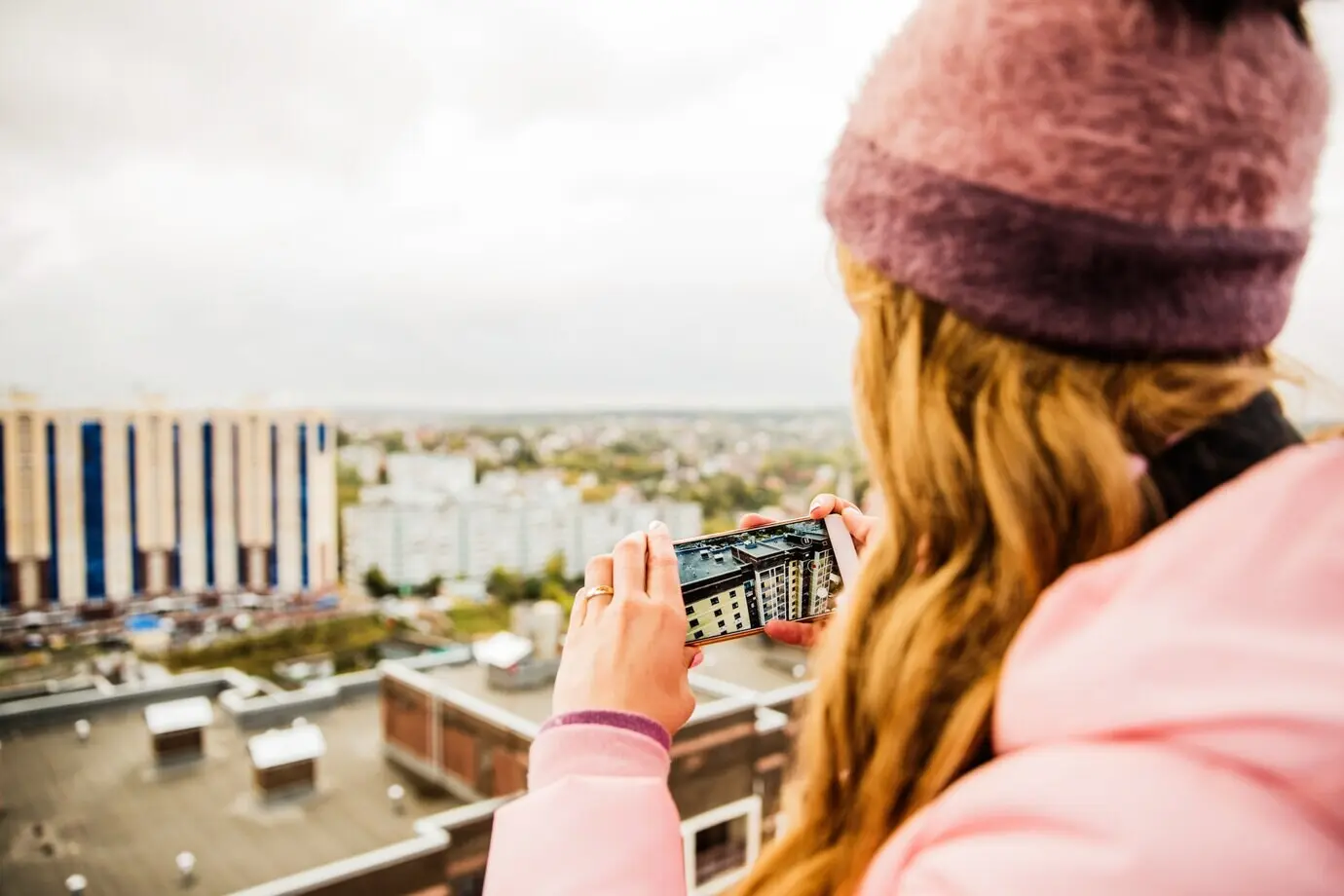
Post a simple loop you love, even if it feels ordinary. Add two photos with alt text, three practical notes, and one warm anecdote. Invite feedback, set expectations for updates, and credit helpers. Small, consistent contributions create momentum and inspire shy neighbors to join.
Host a Tiny Neighborhood Walk
Pick a date, define accessibility, and cap attendance. Share the route early so conversation can flow on foot. Rotate roles—greeter, timekeeper, sweeper—and end with gratitude at a local spot. Collect suggestions afterward and publish learnings so future walks become easier, safer, and more joyful.
Give Back With Local Credits
Thank contributors by name, link to their shops or projects, and surface community funds. Offer sliding-scale memberships, route scholarships, or translation swaps. Encourage reciprocity that feels human, not transactional. When gratitude circulates, collections stay alive, and neighbors keep sharing the routes that shaped their days.
All Rights Reserved.